What Is Mobility Training for Elderly?
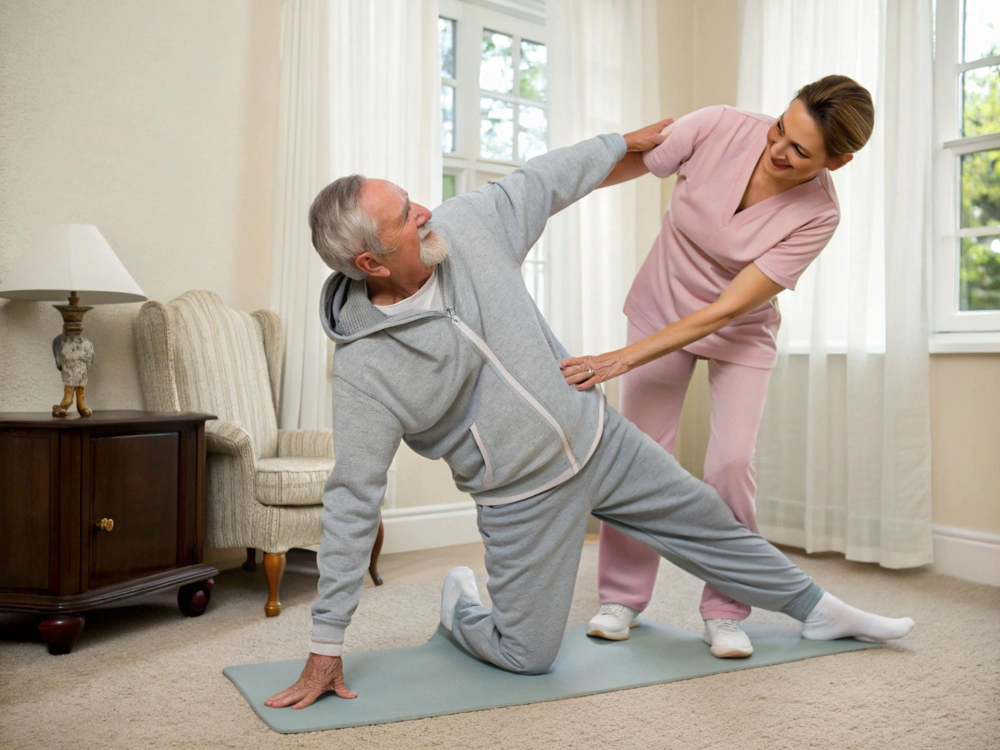
Mobility training for elderly means helping older adults move better and feel safer. It uses gentle exercises and simple routines. These activities aim to improve walking, balance, and strength. As a result, seniors can keep their independence and enjoy daily life. According to the World Health Organization, staying active is key for healthy aging. In many cities, local physiotherapists offer group or home-based programs. Therefore, you can find support close to home.
Common Mobility Challenges in Older Adults
Many seniors notice changes in how they move. For example, walking may become slower or less steady. Some common signs and symptoms include:
Because these issues can affect daily life, it is important to notice them early. Often, family members or caregivers spot these changes first.
Benefits of Mobility Training for Seniors
Mobility training offers many benefits for seniors. First, it helps improve movement in seniors by making muscles stronger. In addition, regular training can boost balance and reduce the risk of falls. Seniors who join mobility programs often feel more confident in elderly movement. Other benefits include:
According to the CDC, staying active can also help prevent chronic diseases.
Key Components of Effective Mobility Programs
Effective mobility programs use several key parts. For example, they include exercises for strength, balance, and flexibility. A good program also teaches safe movement habits. Most programs are led by trained physiotherapists or physical medicine experts. Key components often include:
Because each person is different, programs are often tailored to individual needs.
Safe Mobility Exercises for Elderly People
Safe exercises are important for elderly mobility. Always start with simple moves and increase slowly. Some easy and safe elderly mobility exercises include:
Before starting any new exercise, check with a healthcare provider. In some areas, community centers offer group classes for seniors.
Tips for Building Confidence During Mobility Training
Building confidence in elderly movement takes time. However, small steps can make a big difference. Try these tips:
Because support matters, joining a group or working with a physiotherapist can boost confidence.
Preventing Falls and Injuries
Falls are a leading cause of injury in older adults. Therefore, preventing falls is a key goal of mobility training. Some ways to lower the risk include:
According to the CDC, these steps can greatly reduce fall risk. In addition, regular exercise helps keep muscles strong and joints flexible.
When to Seek Professional Help
Sometimes, mobility problems need expert care. If you notice sudden changes in movement, pain, or frequent falls, seek help from a doctor or physiotherapist. In many cities, physical medicine and rehabilitation clinics offer full assessments. Professionals can create a safe, personal plan for improving movement in seniors. Early support can prevent further problems and help seniors stay active.