Common Pregnancy Exercise Myths
Many people believe that pregnant women should avoid most physical activity. However, these pregnancy exercise myths can lead to confusion and worry. For example, some think that any movement can harm the baby. Others say that bed rest during pregnancy is always the safest choice. In reality, most women can benefit from staying active while pregnant. Understanding what is true and what is not helps families make better choices. The Centers for Disease Control and Prevention (CDC) notes that exercise is usually safe for most expectant mothers.
The Truth About Bed Rest During Pregnancy
For many years, doctors often suggested bed rest for pregnant women. Yet, new research shows that routine bed rest is not needed for most. In fact, the World Health Organization (WHO) and other experts now say that bed rest is rarely the best option. Instead, gentle movement and safe exercise are encouraged in most cases. Of course, every pregnancy is unique. Still, most women do not need to stop all activity unless their doctor says so.
When Is Bed Rest Actually Recommended?
Sometimes, bed rest is needed for certain health problems. For example, a doctor may suggest it if there is a risk of early labor or if there are problems with the placenta. In these cases, the risks of moving too much may be higher than the risks of rest. However, even then, total bed rest is rare. Often, doctors recommend only limiting some activities. Always follow your healthcare provider’s advice for your specific situation.
Safe Exercise Guidelines for Expectant Mothers
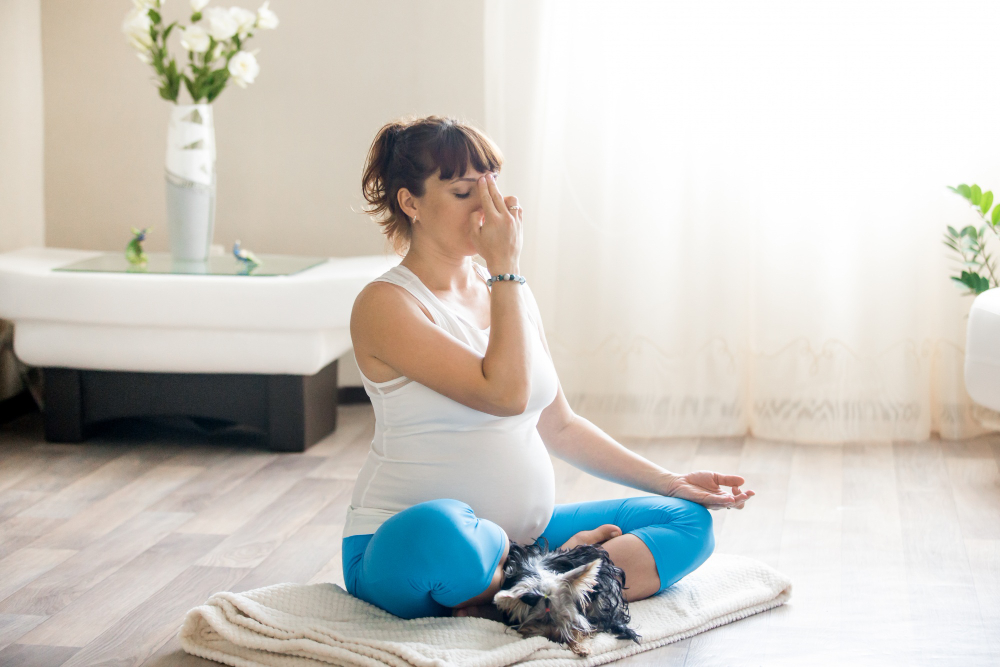
Most experts agree that exercise is safe while pregnant for many women. The CDC and American College of Obstetricians and Gynecologists (ACOG) offer simple tips. First, choose gentle activities like walking, swimming, or prenatal yoga. Next, avoid sports with a high risk of falling. Also, listen to your body and stop if you feel pain or dizziness. Importantly, drink water and avoid overheating. Before starting any new routine, talk with your healthcare provider to make sure it is safe for you.
Benefits of Staying Active During Pregnancy
Staying active during pregnancy offers many health benefits. For instance, regular movement can help reduce back pain and swelling. In addition, it may lower the risk of gestational diabetes. Exercise can also improve mood and boost energy. According to the CDC, active women often have shorter labors and recover faster after birth. Moreover, gentle exercise may help with sleep and lower stress levels. These benefits show why pregnancy exercise safety is so important.
Risks of Unnecessary Bed Rest
Unneeded bed rest can cause problems for both mother and baby. For example, long periods of rest may lead to muscle weakness and blood clots. It can also raise the risk of bone loss and make it harder to return to normal activities after birth. Additionally, being less active may increase feelings of sadness or anxiety. The WHO and other experts now warn against routine bed rest unless it is truly needed. Therefore, most women should try to stay active unless told otherwise by their doctor.
How to Discuss Exercise Plans With Your Healthcare Provider
It is always smart to talk with your doctor before starting or changing your exercise routine. For example, share any health concerns or past problems. Ask about safe activities and what to avoid. Your provider can help you make a plan that fits your needs. If you have questions about pregnancy myths debunked or bed rest during pregnancy, bring them up at your next visit. Open communication helps keep both mother and baby safe.