What Is Functional Training in Physiotherapy?
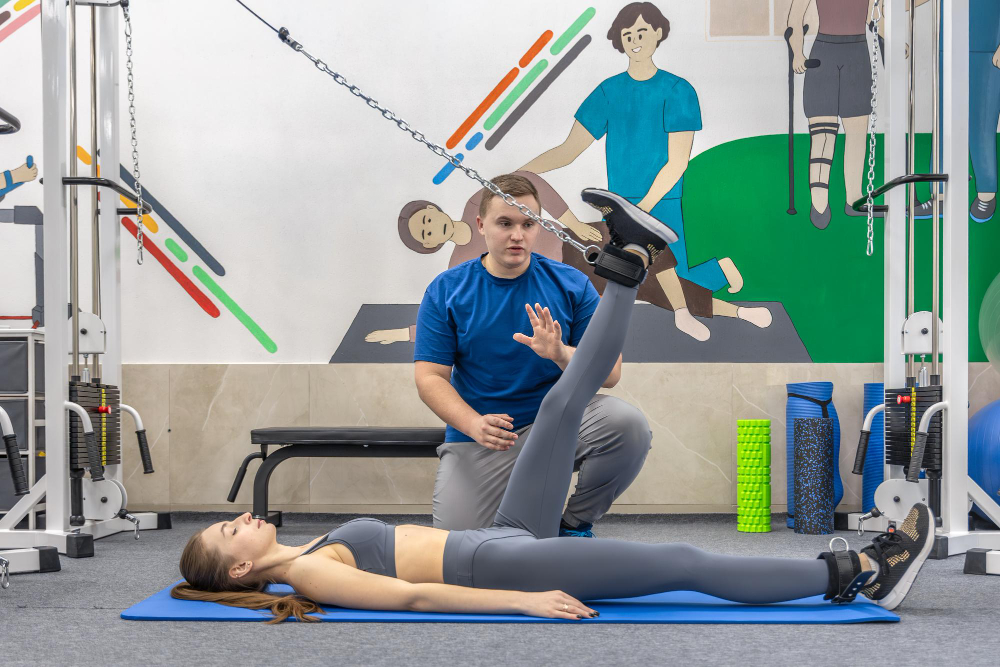
Functional training in physiotherapy is a way to help your body move better. It focuses on exercises that copy real-life movements. For example, you may practice squatting, reaching, or lifting. Because these moves are part of daily life, this training helps you in many ways. Physiotherapists use functional training to help people recover from injuries or surgery. However, it is also great for anyone who wants to move with less pain or effort. According to the World Health Organization, staying active with the right exercises can improve health and help prevent falls.
Key Benefits of Functional Training
Functional training offers many benefits for people of all ages. In fact, it can help you feel stronger and more confident. Here are some key benefits:
Because these benefits support your daily life, functional training is a smart choice for many people.
Common Functional Training Exercises
Many exercises in functional training are simple but effective. For example, you may do moves that use your own body weight. Here are some common exercises:
Because these moves copy daily tasks, they help your body get ready for real-life activities. Your physiotherapist may adjust these exercises to fit your needs.
How Functional Training Supports Daily Activities
Functional training helps you do everyday things with less effort. For example, it can make it easier to carry groceries, get up from a chair, or climb stairs. Since the exercises match real-life movements, your muscles learn to work together. This teamwork makes you stronger and more steady. As a result, you may notice fewer aches and better balance. According to the CDC, regular movement can help people stay independent as they age.
Who Can Benefit from Functional Training?
Many people can benefit from functional training in physiotherapy. For instance, it helps:
Even if you are healthy, functional training can help you move better. Physiotherapy clinics near you can offer programs for all ages and fitness levels.
Safety Tips and Precautions
Before starting any new exercise, it is important to stay safe. Here are some tips:
Because safety matters, your physiotherapist will guide you through each step. They can also help you avoid injury and get the most benefit from each exercise.
How to Get Started with Functional Training
Getting started with functional training is simple. First, talk to a physiotherapist about your goals. They will check your movement and design a plan just for you. Next, follow their advice and practice the exercises at home or in a clinic. Many physiotherapy clinics near you offer group or one-on-one sessions. As you get stronger, your therapist may add new moves to your plan. Remember, regular practice helps you see the best results. Over time, you may notice it is easier to do your daily activities.
Conclusion
If you want to move better and feel stronger in daily life, Dr. Shaily Chourasia can help. Book a consultation today to get a personalized physiotherapy plan that fits your needs.