Introduction to Neuro Rehabilitation
Neuro rehabilitation is a special type of care for people with brain, nerve, or spinal cord problems. It helps restore function after neurological injury and aims to improve quality of life in neuro rehab patients. Many people need this care after a stroke, brain injury, or other nerve-related conditions. Because every person is different, treatment plans are made to fit each person’s needs. With the right support, many people can regain skills and enjoy life again.
Common Causes of Neurological Impairment
There are several reasons why someone might need neuro rehabilitation. Often, these causes affect the brain, spinal cord, or nerves. For example, some common causes include:
Because these conditions can happen at any age, both children and adults may need help from physical medicine and rehabilitation for neurological conditions.
Key Symptoms and Challenges
People with neurological problems may face many challenges. For instance, they might have:
However, with the right care, many of these symptoms can improve over time.
How Neuro Rehabilitation Works
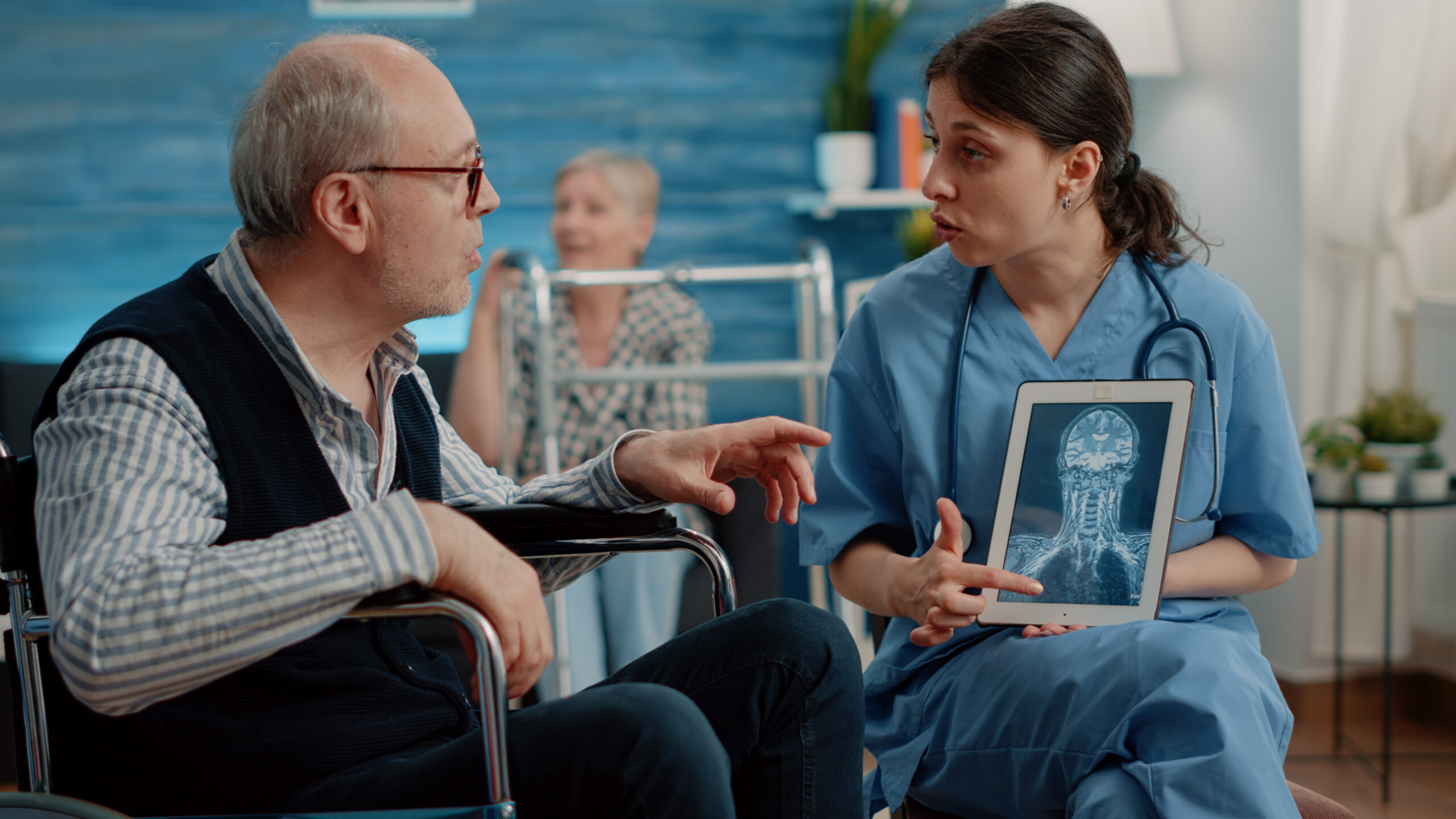
Neuro rehabilitation uses a team approach. Usually, doctors, nurses, therapists, and counselors work together. First, they assess the patient’s needs. Then, they create a plan to help restore function after neurological injury. Because progress can be slow, patience and support are important. Over time, many people see real improvements.
Treatment Approaches and Techniques
There are many ways to help people in neuro rehabilitation. Some common treatment methods include:
Because each person is unique, the treatment plan may change over time. In addition, family support plays a big role in recovery.
Benefits: Restoring Function and Improving Quality of Life
Neuro rehabilitation offers many benefits. For example, it can help people:
According to the World Health Organization, early and ongoing rehabilitation can greatly improve outcomes for people with neurological conditions.
Tips for Patients and Families
Recovery can be challenging, but there are ways to make it easier. Here are some helpful tips:
Because support from loved ones is important, involve them in the recovery process whenever possible.
Prevention and Lifestyle Guidance
While not all neurological problems can be prevented, some steps can lower risk. For instance:
Because healthy habits can protect the brain and nerves, it’s wise to start early.
When to Consult a Specialist
If you or a loved one has trouble moving, speaking, or thinking after an injury or illness, seek help. Early neuro rehabilitation can make a big difference. In addition, talk to your doctor if you notice new or worsening symptoms. Specialists in physical medicine and rehabilitation for neurological conditions can guide you to the right care.
For personalized advice and support, consult Dr. Shaily Chourasia. Early action can help restore function and improve quality of life.