Introduction
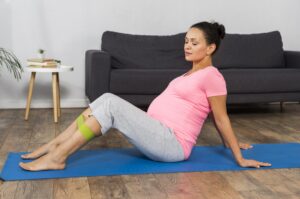
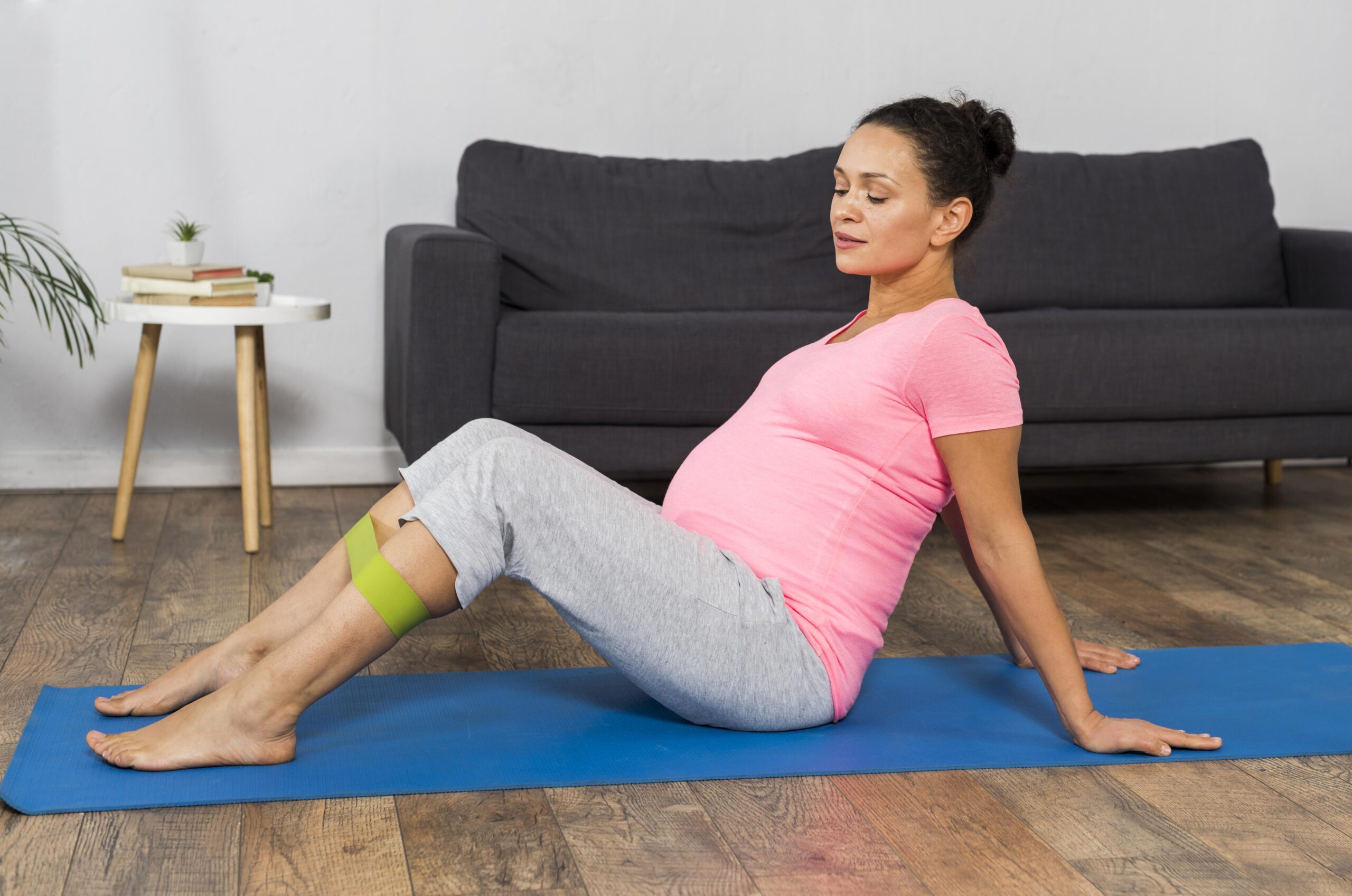
Antenatal exercises are gentle movements and workouts done during pregnancy. These exercises help keep your body strong and flexible. In fact, many experts say that staying active during pregnancy is important for both mother and baby. According to the World Health Organization (WHO), regular physical activity can make pregnancy healthier and more comfortable. Therefore, learning about antenatal exercise benefits can help you make good choices for your health.
Key Benefits of Antenatal Exercises
There are many reasons to try pregnancy-safe workouts. Not only do they help your body, but they also support your mind. Here are some key benefits of antenatal exercises:
Moreover, regular exercise can help you feel more confident and in control during pregnancy. The Centers for Disease Control and Prevention (CDC) also notes that physical activity is safe for most pregnant women.
Recommended Types of Antenatal Exercises
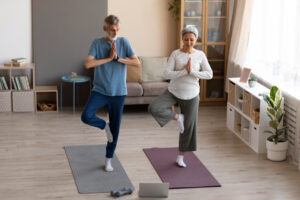
Many types of exercises are safe for pregnancy. However, it is best to choose gentle and low-impact activities. Here are some popular options:
Additionally, physiotherapy in pregnancy can offer special exercise plans. These are designed to match your needs and stage of pregnancy.
Safety Tips and Precautions
Staying safe is very important during pregnancy. Before starting any new workout, talk to your doctor or physiotherapist. Here are some safety tips to follow:
Furthermore, always listen to your body. If something feels wrong, stop and rest.
How to Get Started
Getting started with antenatal exercises is simple. First, check with your healthcare provider to make sure it is safe for you. Next, pick activities you enjoy. For example, you might start with a short walk each day. Then, add gentle stretching or yoga. Many cities offer group classes for pregnancy-safe workouts. You can also find online videos made for pregnant women. Remember, even small amounts of movement can help.
When to Consult a Healthcare Professional
Sometimes, you may need extra help. Always consult a doctor or physiotherapist if you:
In addition, a physiotherapist can create a plan just for you. They can show you the right way to exercise and help you avoid injury.
Conclusion and Call-to-Action
To sum up, antenatal exercises offer many benefits for a healthy pregnancy. They can boost your mood, ease pain, and prepare your body for birth. However, safety always comes first. Before you begin, talk to your doctor or a trained physiotherapist. For the best results, ask Dr. Shaily Chourasia for a personalized antenatal exercise plan. Stay active, stay safe, and enjoy a healthy pregnancy journey!