Introduction
Falls are a common concern for many seniors. In fact, balance training in older adults is one of the best ways to prevent falls before they happen. As people age, they may notice changes in strength and movement. However, with the right exercises and habits, older adults can stay steady on their feet. This blog explains why balance matters, how to improve it, and what steps you can take for fall prevention for seniors.
What Is Balance Training?
Balance training means doing exercises that help you stay steady and upright. For example, these activities teach your body how to react if you trip or lose your balance. Most balance training programs include simple moves you can do at home. Some exercises use only your body weight, while others may use a chair or wall for support. Above all, the goal is to make daily tasks safer and easier.
Why Are Older Adults at Higher Risk of Falls?
As people age, several changes can make falls more likely. For instance, muscles may become weaker, and joints may get stiff. In addition, vision and hearing can decline. Some medicines may also cause dizziness or drowsiness. Because of these changes, older adults may find it harder to react quickly or keep their balance. According to the CDC, one in four adults over 65 falls each year. Therefore, it is important to take steps to lower this risk.
Benefits of Balance Training for Seniors
Balance training offers many benefits for seniors. Not only does it help prevent falls, but it also improves confidence and independence. Here are some key benefits:
Because of these benefits, improving balance in older adults is a smart step for healthy aging.
Common Balance Training Exercises
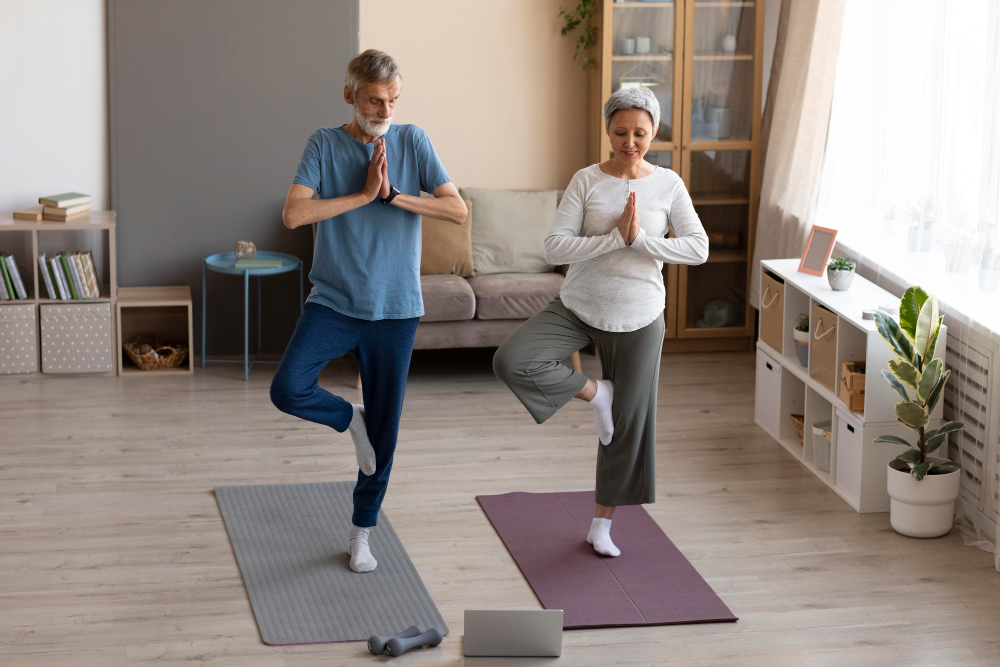
Many safe exercises for elderly people can help with balance. For example, you can try these simple moves at home:
Before starting, always check with your doctor or physiotherapist. They can suggest the best exercises for your needs.
How to Start a Safe Balance Training Program
Starting a balance training program is easy, but safety comes first. Here are some steps to follow:
In addition, consider joining a group class or working with a physiotherapist. They can guide you and make sure you use the right form.
Tips for Preventing Falls at Home
Besides balance training, making your home safer can lower your risk of falls. Try these tips:
For those living in multi-story homes, consider using handrails on all stairs. In some cases, a home safety assessment by a professional can help spot hidden risks.
When to Seek Professional Help
Sometimes, balance problems need expert care. For example, if you have frequent falls, dizziness, or trouble walking, see your doctor. In addition, if you feel unsteady even after trying exercises, a physiotherapist can help. They can create a plan that fits your needs and abilities. Early help can prevent injuries and keep you active longer.
In summary, balance training in older adults is a key step in fall prevention for seniors. With safe exercises, home changes, and expert advice, you can stay steady and independent. For the best results, consult Dr. Shaily Chourasia provider or physiotherapist for a personalized balance training plan.