Introduction to Breathing Exercises in Rehabilitation
Breathing exercises in rehabilitation help many people recover from illness or injury. These simple techniques can improve lung function, boost energy, and support healing. In fact, breathing exercises for rehabilitation are often part of physiotherapy plans. According to the World Health Organization (WHO), proper breathing can help patients regain strength and prevent problems during recovery. Because of this, many doctors and therapists recommend these exercises as a key part of treatment.
How Breathing Exercises Improve Endurance
Endurance means how long you can keep doing an activity without getting tired. For example, walking, climbing stairs, or even talking can feel hard after illness. However, improving endurance with physiotherapy and breathing exercises can make daily life easier. When you practice deep breathing, your lungs take in more oxygen. As a result, your muscles get the fuel they need to work longer. Over time, this helps you feel less tired and more active. In addition, regular breathing exercises can lower your heart rate and reduce stress.
The Role of Breathing Exercises in Recovery
During recovery, your body needs extra support. Breathing exercises help by clearing mucus from the lungs and improving airflow. This is especially important after surgery or a long illness. For instance, recovery breathing techniques can prevent lung infections and speed up healing. Moreover, these exercises help your body relax, which can ease pain and lower anxiety. Many studies in medical journals show that patients who use breathing exercises recover faster and feel better overall.
Step-by-Step Examples of Effective Breathing Exercises
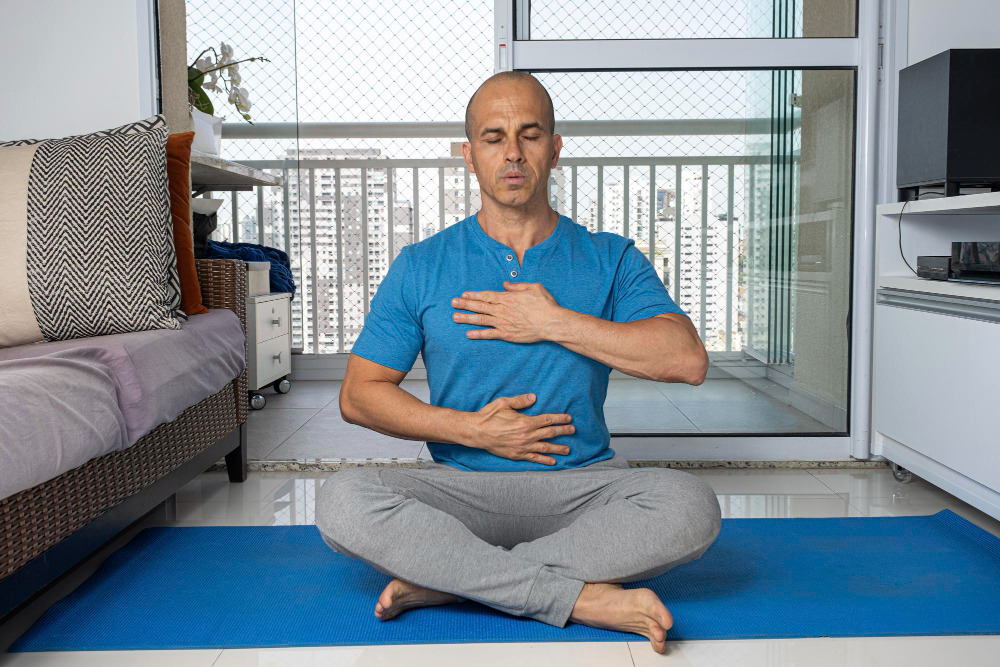
There are several easy breathing exercises you can try at home. Always check with your physiotherapist before starting. Here are some common methods:
Safety Tips and Precautions
Before starting any new exercise, safety comes first. While breathing exercises are safe for most people, you should follow these tips:
Because everyone is different, it is important to listen to your body. If you have any concerns, contact your healthcare provider right away.
Lifestyle Guidance for Maximizing Rehabilitation Benefits
Along with breathing exercises, healthy habits can speed up your recovery. For example, eating a balanced diet gives your body the nutrients it needs. In addition, getting enough sleep helps your muscles heal. Try to stay active with gentle movements, such as walking or stretching. Moreover, avoid smoking and limit alcohol, as these can slow healing. If you feel stressed, practice relaxation techniques like meditation or gentle yoga. By making these changes, you can support your body and get the most from your rehabilitation program.
Prevention of Complications Through Proper Breathing Techniques
Proper breathing techniques do more than help you recover. They also prevent problems like lung infections, muscle weakness, and blood clots. For instance, deep breathing keeps your airways clear and your blood moving. As a result, you are less likely to develop complications after surgery or illness. According to the CDC, regular breathing exercises can lower the risk of pneumonia and other lung issues. Therefore, practicing these techniques every day is a smart way to protect your health.
Conclusion: Take the Next Step
Breathing exercises for rehabilitation can improve endurance, speed up recovery, and prevent complications. Because every person is unique, consult a physiotherapist Dr. Shaily Chourasia for personalized breathing exercise guidance.