Introduction
Recurrent dislocations happen when a joint slips out of place more than once. This can cause pain, weakness, and worry. Physiotherapy for recurrent dislocations helps people regain movement and strength. It also lowers the risk of future injuries. In many cases, physical therapy for joint instability is a key part of recovery. Experts from the World Health Organization and medical journals agree that early treatment is important. Physiotherapists use special exercises and techniques to help joints heal and stay stable.
Symptoms of Recurrent Dislocations
When a joint keeps dislocating, certain signs often appear. For example, you may notice:
Sometimes, the joint may look out of place. In addition, repeated dislocations can make daily activities harder. If you notice these symptoms, it is important to seek help. Early care can prevent more damage.
Common Causes of Recurrent Dislocations
Many things can lead to repeated joint dislocations. For instance, some people have loose ligaments from birth. Others may get injured during sports or accidents. Over time, these injuries can weaken the joint. As a result, the joint may slip out more easily. Common causes include:
Additionally, some health conditions, like Ehlers-Danlos syndrome, make joints more likely to dislocate. Understanding the cause helps guide treatment.
Diagnosis: How Recurrent Dislocations Are Identified
Doctors use several steps to diagnose recurrent dislocations. First, they ask about your symptoms and medical history. Next, they examine the joint for swelling, pain, or looseness. Sometimes, they may gently move the joint to check its stability. In many cases, doctors order imaging tests, such as X-rays or MRI scans. These tests show if there is damage to bones, ligaments, or tendons. Early diagnosis helps start the right treatment plan. Accurate diagnosis also helps prevent future dislocations.
Physiotherapy Treatment Approaches
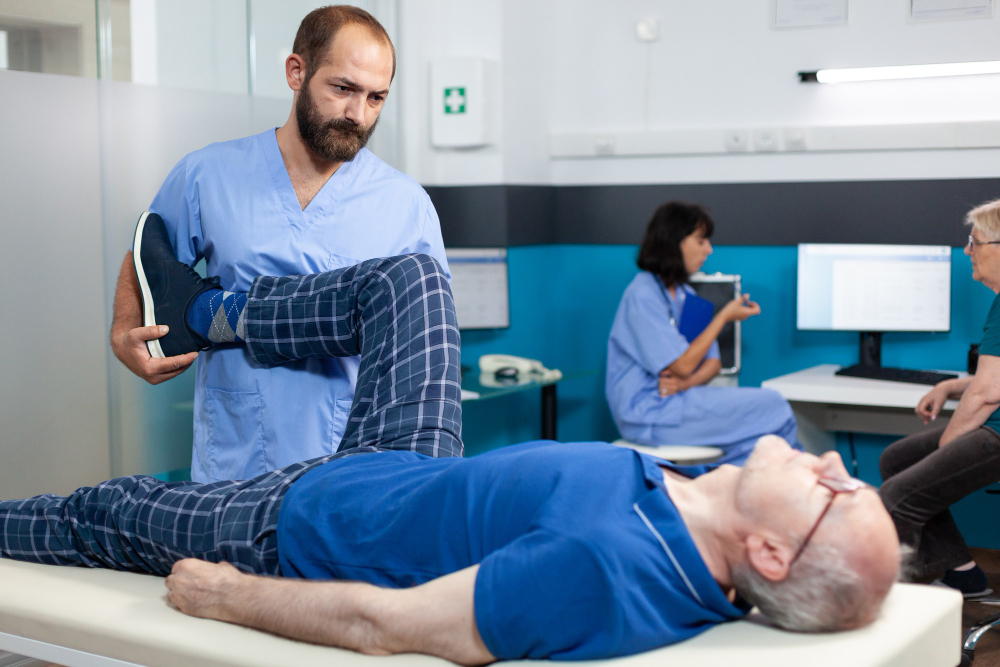
Physiotherapy for recurrent dislocations focuses on strengthening and stabilizing the joint. At first, a physiotherapist will assess your needs. Then, they design a plan just for you. Common treatment approaches include:
For example, exercises may target the shoulder, knee, or other affected joints. Over time, these activities help reduce pain and improve function. In addition, physiotherapists may use taping or braces to support the joint during healing. Regular sessions and home exercises are important for the best results.
Lifestyle Guidance and Home Care Tips
Alongside therapy, daily habits can support healing. For instance, you can:
Moreover, eating a healthy diet and staying active can help your body recover. Always check with your healthcare provider before starting new activities. Home care is a key part of preventing repeated joint dislocations.
Prevention Strategies
Preventing repeated joint dislocations is possible with the right steps. To begin, always warm up before exercise. This prepares your joints and muscles. Next, follow your rehabilitation exercises for recurrent dislocations as advised. Other helpful strategies include:
With these steps, you can lower your risk of future dislocations. Early action and ongoing care make a big difference in joint health.Get expert guidance and personalised care. Consult Dr. Shaily Chourasia now.