Introduction
Knee pain in young adults is becoming more common. Many people think knee problems only affect older adults. However, young people can also feel pain and discomfort in their knees. Often, early signs of knee joint stress are easy to miss. But, paying attention to these signs can help prevent bigger problems later. In this blog, you will learn about the causes, symptoms, and recovery options, including physiotherapy for knee pain in young adults.
Early Signs of Joint Stress
Recognizing early signs of knee joint stress is important. If you notice these symptoms, you should take action early. For example, you might feel:
Sometimes, these signs are mild. Yet, they can get worse if ignored. Therefore, noticing these early signs of knee joint stress can help you start recovery sooner.
Causes of Knee Pain in Young Adults
There are many reasons why young adults experience knee pain. Some causes are linked to lifestyle and activity. Others are due to the way your body is built. Common causes include:
Additionally, some young adults may have conditions like patellofemoral pain syndrome or early arthritis. These can also cause knee pain. Understanding the cause helps guide the best treatment.
Diagnosis
Healthcare professionals use several steps to assess knee pain in young adults. First, they ask about your symptoms and medical history. Then, they perform a physical exam. During the exam, they check for swelling, tenderness, and range of motion. Sometimes, doctors order imaging tests, such as X-rays or MRI scans. These tests help find injuries or changes inside the knee. Early diagnosis is key to a good recovery. Therefore, do not wait if your knee pain lasts more than a few days.
The Role of Physiotherapy in Recovery
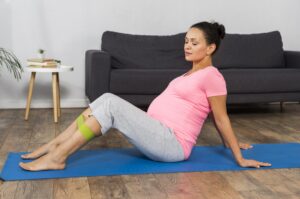
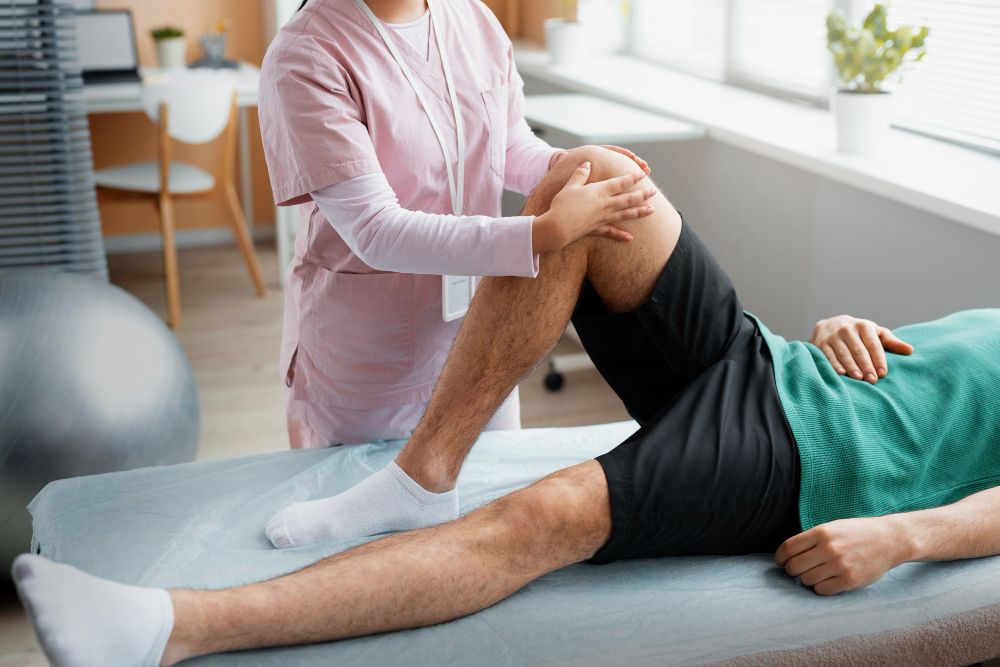
Physiotherapy for knee pain in young adults is very effective. Physiotherapists use many techniques to help you recover. For instance, they may teach you exercises to strengthen the muscles around your knee. Strong muscles support the joint and reduce pain. In addition, they show you how to stretch safely. Stretching improves flexibility and helps prevent stiffness.
Other physiotherapy approaches include:
With the right plan, physiotherapy can speed up knee pain recovery. Moreover, it lowers the chance of future injuries. According to the American Physical Therapy Association, early physiotherapy leads to better outcomes for knee pain.
Prevention and Lifestyle Tips
There are many ways to protect your knees and lower your risk of pain. Here are some simple knee pain recovery tips:
Furthermore, listen to your body. If you feel pain, rest and seek advice. Small changes in your routine can make a big difference in knee health.
When to Seek Medical Help
Although mild knee pain often gets better with rest, some signs mean you should see a doctor. Watch for these red flags:
If you notice any of these, contact a healthcare provider right away. Early treatment can prevent long-term problems.
Conclusion
Knee pain in young adults should not be ignored. Early signs of knee joint stress can warn you before serious damage occurs. Physiotherapy for knee pain in young adults offers safe and effective recovery. By following prevention tips and seeking help when needed, you can keep your knees healthy. Consult Dr Shaily Chourasia for personalized advice on knee pain recovery.