Introduction
Spinal injury rehab and mobility training help people regain movement and independence after a spinal injury. These steps are vital for recovery. When someone has a spinal injury, it can affect their ability to move or feel. However, with the right rehab and mobility training, many people improve their strength and daily skills. This guide explains why rehabilitation and mobility training matter and how they support recovery.
What is Spinal Injury Rehab?
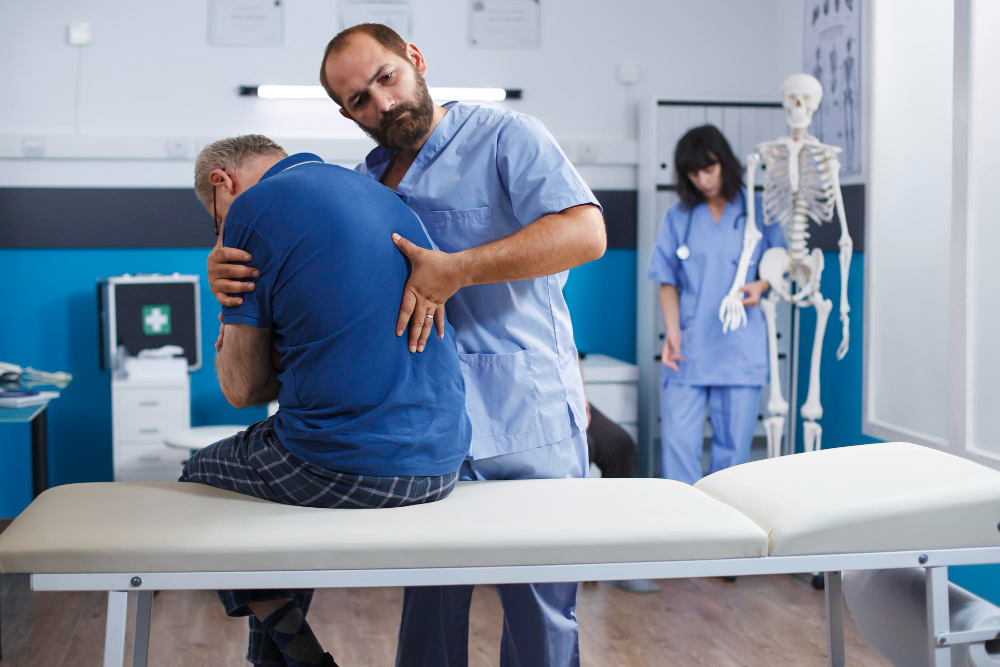
Spinal injury rehab is a set of treatments and exercises. It helps people recover after damage to the spine. Rehab focuses on improving movement, strength, and daily living skills. Often, a team of experts, such as doctors, physiotherapists, and occupational therapists, work together. Their goal is to help each person reach their best possible level of independence. According to the World Health Organization (WHO), early rehab can improve outcomes and quality of life.
Common Causes of Spinal Injuries
Spinal injuries can happen for many reasons. Some of the most common causes include:
Because these injuries can happen suddenly, it is important to know the risks and take steps to stay safe.
Symptoms and Challenges After Spinal Injury
After a spinal injury, people may notice many changes. For example, they might have:
Because these symptoms can affect daily life, rehab and mobility training are essential for recovery.
The Role of Mobility Training in Recovery
Mobility training teaches people how to move safely after a spinal injury. For instance, it helps them learn new ways to sit, stand, or walk. With regular practice, many people regain some movement and balance. In addition, mobility training can prevent muscle loss and joint stiffness. According to the CDC, staying active during recovery can also improve mood and overall health.
Step-by-Step Rehab Process
Rehab for spinal injuries usually follows a step-by-step plan. Each step builds on the last to help people reach their goals. The process often includes:
Because every injury is different, rehab plans are tailored to each person’s needs.
Evidence-Based Treatment Approaches
Many proven treatments help people recover after spinal injuries. For example, these include:
According to research in PubMed and guidance from the WHO, combining these treatments can lead to better results.
Tips for Daily Living and Home Exercises
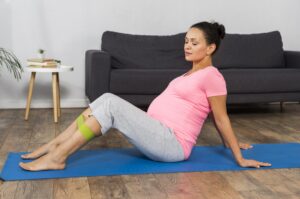
Staying active at home supports recovery. Here are some helpful tips and exercises:
Because regular movement is key, try to stay as active as possible each day.
Prevention of Further Injury
After a spinal injury, it is important to prevent new injuries. For example, you can:
Because prevention is easier than treatment, always stay alert and careful.
Conclusion
Spinal injury rehab and mobility training are vital for recovery and independence. With the right support, many people regain skills and confidence. For the best results, consult our qualified physiotherapist and rehabilitation specialist, Dr Shaily Chourasia for personalized guidance.